svētdiena, 2014. gada 11. maijs

Pārdomas 2014.gada ģimenes dienā

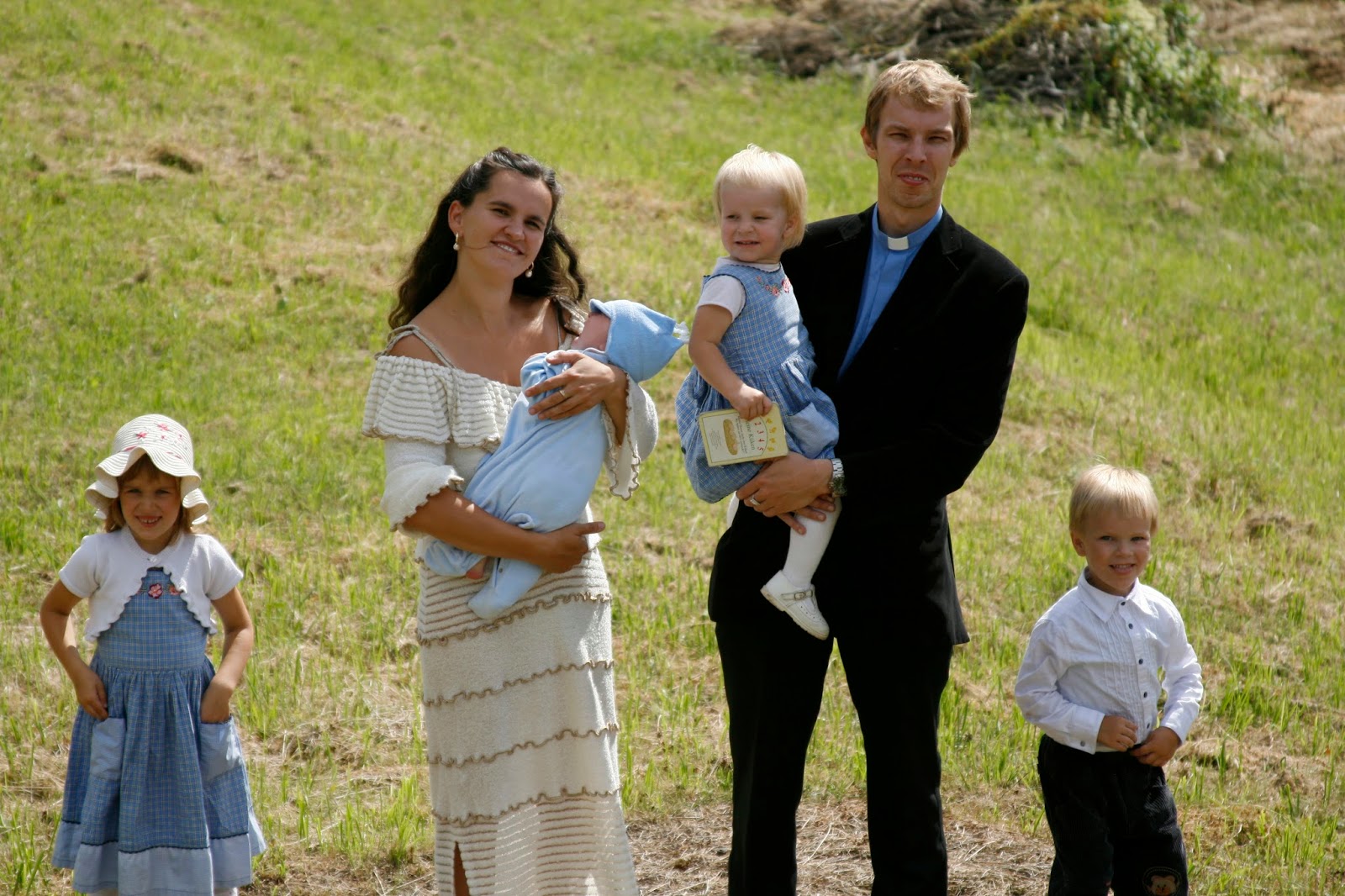
Foto no personīgā arhīva
    Latvijas pirmās neatkarības laikā visi svinēja Ģimenes dienu. Kā tad mēs esam no Ģimenes dienas nonākuši līdz Mātes dienai? Šķiet, tas notika tāpēc, ka, sākoties 2. Pasaules karam un pēc tam padomju laikiem, daudzi vīri un tēvi tika paņemti armijā vai izsūtīti un mātēm nācās uzņemties galveno audzinātājas lomu ģimenē. Un daudzi tāpēc vēl joprojām ir ļoti pateicīgi tām mātēm, kas pašaizliedzīgi viņus audzinājušas.

    Bet tagad, kad nav vairs ne kara, ne padomju laiku, mātēm nevajag vienām cīnīties. Ļoti gribas mudināt visus vīriešus nebūt „lupatām”, bet uzņemties atbildību par sievu un bērniem, lai veidotu stipras ģimenes.

    Kā tad īsti ir ar mūsu ģimenēm, mūsu tautu? Jo tālāk, jo trakāk. Mēs dzīvojam ģimenēm grūtā laikā. Ļoti daudz kas pasaulē tiek darīts, lai grautu ģimenes vērtību. Piemēram, mūsu vecmāmiņas stāsta un atceras, ka pirms 40 gadiem tas bija neiedomājami - ja tu esi teicis “jā” vārdu, kā tad tu vari tagad šķirties un aizmirst par saviem bērniem?
   Vai pirms vairākiem desmitiem gadu varēja iedomāties, ka divi jaunieši nevis apprecas, bet padzīvo kopā, pamēģina un tad, ja sanāk, arī apprecas? Tas nebija iedomājams, arī pirms tam gadu simtiem, gadu tūkstošiem visi precējās un tikai tad sāka dzīvot kopā. Bail padomāt, kas būs vēl pēc 20 gadiem...

    „Izvēlieties šodien paši sev, kam jūs kalposit - vai tiem dieviem, kuriem jūsu tēvi ir kalpojuši... vai tiem amoriešu dieviem, kuru zemē jūs dzīvojat. Bet es un mans nams - mēs kalposim Tam Kungam.” (Joz.24:15) Šajā rakstu vietā no Bībeles mēs redzam kādu principu, proti, valsts nebūt nav tā, kas izauklē ģimeni. Tieši otrādi - no dievbijīgas ģimenes svētība izstaro uz visu tautu. Sabiedrību veido ģimenes. Jo stiprākas ir ģimenes, jo stiprāka pati sabiedrība. Un, ja ir kaut viena ģimene, kas to apliecina, tad citas ģimenes var sekot līdzi šim piemēram.

    Luters, rakstot Mazo katehismu, katru katehisma sadaļu iesāk ar vārdiem: “Kā nama tēvam kristīgā veidā jāmāca..” Te mēs redzam, ka Luters ļoti trāpīgi no Svētajiem rakstiem bija uztvēris to, ka Dievs pirmām kārtām garīgo atbildību prasīs no tēviem. Bībelē Pāvila vēstulē efeziešiem ir teikts: “Jo vīrs ir sievas galva, tāpat kā Kristus ir draudzes galva.” Turpat tālāk lasām: “Tēvi, nekaitiniet savus bērnus, bet audziniet un pamāciet tos būt paklausīgiem Tam Kungam.”
  
    Jozua, par kuru lasām Vecajā Derībā, ir bijis izcils tēvs un tautas vadītājs. Jozua noliek tautu izvēles priekšā starp patieso Dievu un elku dieviem. Jautājums par elkiem izklausās diezgan reliģiozi, tomēr ir aktuāls arī šodien. Cilvēks pēc savas dabas nav homo sapiens, drīzāk viņš ir homo religiosos, tas ir - reliģioza būtne. Patīk tas mums vai ne, mēs visi tādi esam.

    Arī šodien taču mums ir elki un ideāli, kuriem sekojam, un arī ģimenes izjūk šādu elku dēļ. Mūsdienu elki vairs nav totēmu vai elku stabu veidā taisīti. Mūsdienu elki ir citi. Elku dievi jau nav tikai tie, kas sastopami citās reliģijās – Zevs, Allāhs, Krišna u.c. Par elku var kļūt jebkura lieta uz šīs pasaules. Varu nosaukt vismaz četrus izplatītākos mūsdienu elkus: nauda, vara, slava un bauda. Ja mūsu galvenā uzmanība ir pievērsta kādam elkam vai pat vairākiem, tad ģimenei maz no mums paliek pāri.
   Vienīgais, kas šo skrējienu pēc elkiem var apturēt, ir tas, ka ir kādi vīri un sievas, kas uzdrošinās pateikt: “Pietiek, es un mans nams, mēs kalposim tam Kungam, trīsvienīgajam Dievam.” Kur ģimenes ir Dieva vārda gaismā, tur paradumi un attieksme mainās uz labo pusi, kādreiz lēnām, bet pamatīgi.

    Tomēr kāds teiks: ”Gan jau vēl paspēšu izveidot ģimeni, man vēl visa dzīve priekšā, gribas to izbaudīt!” Arī man tā kādreiz likās, kad biju sešpadsmitgadīgs. Bet tagad esmu priecīgs, ka apprecējos, kad man bija tikai 21 gads, un tagad man ir jau četri bērni, vecākajai meitai jau seši ar pusi gadi. Un pirms tam es pat nevarēju iedomāties, cik tas ir fantastiski, kad tev ir pašam sava ģimene, un šodien es savu ģimeni nemainītu ne pret kādu naudu, baudu, slavu vai varu.
Katram vīrietim reiz Dieva priekšā būs jāatbild ne tikai par to, vai viņš naudiņu ģimenei gādājis un kopā pavadījis laiku, bet arī - vai viņš ir saviem bērniem mācījis mīlestību uz Dievu un Dieva Vārdu? Un tikai tad, ja ģimenē nav tēva, tad atbildība jāuzņemas mātei.

   Man ir kādi draugi, klasesbiedri, kurus ik pa laikam satieku un kuri savā dzīvē uzstādījuši it kā lielus mērķus: atrast labi atmaksātu darbu, uzcelt lielu māju, braukt ar luksusa auto, un tad būtu nodrošinājums un varētu veidot ģimeni. Bet, ja paskatās, ko viņi desmit gadu laikā kopš skolas beigšanas ir sasnieguši? Neko īpašu... Gadi rit, un nekas daudz no izsapņotā nav sanācis. Varbūt nedaudz lielāka alga, kāds pakāpiens karjerā, bet ģimenes kā nav, tā nav. Un arī no lielās naudas pelnīšanas nekas daudz nav sanācis, jo ļoti daudz ticis iztērēts dažādās jaunākajās tehnoloģijās, arī izpriecās. Kādreizējie sapņi arvien attālinās un attālinās, un tu pats paliec arvien vecāks. Kamēr kādam citam pa to laiku jau bērni piedzimuši, un daudz kas ticis investēts viņu nākotnē.

    Viena lieta ir, ja nav īsti, ar ko ģimeni veidot, bet pavisam cita, kad tās iespējas ir, bet tu tās palaid garām, jo tev ir pavisam citas prioritātes vai, pareizāk sakot, citi elki, kas vada tavu dzīvi. Tev liekas, ka tu visu kontrolē, bet īstenībā elki kontrolē tevi, un tu viņiem veltī visu savu laiku un enerģiju.

    Noslēgumā gribēju padalīties ar kādu spilgtu nesenu atklāsmi saistībā ar ģimeni. Pirms kāda laika es cīnījos ar lielā sāpēm mugurā, ka ne īsti paskriet varēju, ne naktī pagriezties uz otriem sāniem – katru kustību pavadīja lielas sāpes. Pēc neskaitāmām pārbaudēm un ārstu konsultācijām sapratu, ka nekāda nauda vai iespējas, pat ja tādas man būtu, to mainīt nevar. Un tajā brīdī es ļoti novērtēju to prieku, ko man dod bērni, kad viņi atnāk, tevi samīļo, pieglaužas un vienkārši spēlējas tev blakus, un priecājas par dzīvi, un ar šo prieku „aplipina” arī tevi.
   Protams, ģimenei nāk līdzi arī savas rūpes un grūtības, bet tas ir nesalīdzināmi ar to, ko ģimene dod pretī. Ģimene ir vislabākās zāles pret vientulību, garlaicību un nedrošību. Tas, ko tu iegūsti no ģimenes, ir daudz vairāk, nekā jebkurš cits no elku dieviem jebkad varētu piedāvāt. “Es un mans nams, mēs kalposim tam Kungam, trīsvienīgajam Dievam. “ Dzīsimies nevis pēc elkiem – slavas, varas, baudas, naudas, bet pēc stiprām ģimenēm, jo tieši stipras ģimenes veidos stipru Latviju!

                                                                      Mācītājs un četru bērnu tēvs Roberts Otomers


Reflections on Family Day 2014


  Everyone celebrated Family Day during the first period of Latvian independence. How did the Family Day turn into the Mother’s Day? It seems that the reasons are rooted in the 2nd World War and the following Soviet period when many husbands and fathers were taken into the army or deported and mothers had to play the key role in upbringing. And therefore, many are still very grateful to those mothers who have selflessly brought them up.

   But now, when there is no war, nor the Soviet times, mothers do not need to struggle alone. This is my opinion, and I am eager to encourage all men to stop being milksops, but to take responsibility for their wives and children and for the building of strong families.

   How are our families, our nation doing? The farther the worse it gets. We live in a time that is very difficult for families. The world seeks to undermine the value of family. For example, some 40 years ago, divorces were rare, it was unthinkable – if you have once said “yes”, how can you divorce now and forget about your children?

   Who would have thought some 20 years ago that two young people do not get married, but live together, try out and then marry if it turns out well? 20 years ago it was unimaginable, even before that – hundreds and thousands of years everyone married and only then moved in to live together. I am scared to think what will happen after 20 years...

   „You choose this day whom you will serve; whether the gods which your fathers served …or the gods of the Amorites, in whose land you dwell…But as for me and my house, we will serve the Lord.” (Joshua 24:15) In this passage from the Bible, we see a principle, namely – the state is far from being a nurse for families. Instead – a devout family radiates blessing to all people. Society is made up from families. If the families are stronger, the society itself is stronger.

   In Luther’s Small Catechism, each section begins with the words: “As the head of the family should teach them in a simple way to his household...”

    Thus, I conclude that God will primarily demand from fathers to be spiritually responsible. Paul states in his Letter to the Ephesians: “For the husband is the head of the wife, even as Christ is the head of the church” Further on it says: “Fathers, provoke not your children to wrath: but bring them up in the nurture and admonition of the Lord.”

   One day, each man will have to answer before God not only whether he has earned money for his family and spent time together, but also – whether he has taught his children to love God and the Word of God. And this should become the mother’s responsibility only if there is no father in the family.

   Joshua, of whom we read in the Old Testament, was an exceptional father and popular leader. Joshua makes the people face a choice between the true God and idols. The issue of idols sounds rather religious, but still remains a topical issue. A man by its nature is not homo sapiens, but rather homo religiosos – a religious being. We all are – like it or not.

   Even today we follow idols and ideals, and such idols also destroy families. Modern idols are not made as totems anymore, they are different. For idols are not only those we see in other religions – Zeus, Allah, Krishna, etc. I can name at least four the most common modern idols: money, power, fame and pleasure.

   If you pay more attention to an idol, or even several, your family receives very little from you. The only thing that can stop this race after idols is men and women who dare to say: “Stop, as for me and my house, we will serve the Lord, the Triune God.”  If families live in the light of God’s Word, their habits and attitudes are changing for the better, sometimes slowly, but thoroughly.

   However, some will say – I will have enough time to found a family, I have the whole life ahead, I want to enjoy it! I also thought so once, when I was sixteen. But now I am glad that I got married when I was only 21, and now I have four children, my eldest daughter is already 6 and a half years old. Before that I could not even imagine how fantastic it is to have my own family, but today I would not change my family for any money, pleasure, fame or power.

   I have some friends and classmates whom I occasionally meet and who had set seemingly great goals to be reached during their lifetime: find a well-paid job, build a big house, drive a luxury car, and then they would be able to support and found a family. But if you look at them, what have they achieved during these 10 years since graduation? Not much... Years are passing by, and most dreams have failed. Maybe they have a little higher salary, another step in career, but no families yet. And the huge earnings have also been a disappointment, since a lot of them has been spent on various latest technologies, on pleasure; and these former dreams are gradually disappearing, and people grow older. In the meantime, someone else has had children, and much has been invested in their future.

   At this point, I wish to add that one thing is if you don’t have anyone to found a family with, but quite another if you have opportunities, but you let them go because you have very different priorities, or rather other idols that are leading your life. You think that you are controlling everything, but, in fact, idols are in control of you, and you give them all your time and energy.

   Finally, I wanted to share some recent revelation concerning my family. Some time ago, I struggled with an enormous back pain for about half a year, I could not go jogging or turn on the other side at night – every movement was accompanied by great pain. After numerous tests and doctors’ consultations, I realized that there was no money or possibilities that could change this. And, at that moment, I dearly appreciated the joy given to me by children, when they came and hugged me, nestled up and simply played near me; they were happy with life and they “spread” this happiness to me.

      Naturally, family comes along with worries and difficulties, but they cannot be compared with what the family gives back. The family is the best medicine for loneliness, boredom, insecurity and other problems. You receive from the family a lot more than any other idol could ever offer. “As for me and my house, we will serve the Lord, the Triune God. “ Let us seek not for idols – fame, power, pleasure, money – but for strong families. Because it is the strong families that will build a strong Latvia!

                                                                            Pastor and father of four Roberts Otomers

otrdiena, 2014. gada 22. aprīlis

Pārdomas par notikumiem Ukrainā. Kāda būs mana reakcija?

The World Assemblies of God Fellowship
    Kas sākās kā mierīga demonstrācija Maidanā 2013. gada 21. novembrī, piedzīvoja negaidītu pavērsienu nākamajos mēnešos. Pēkšņi tas izraisīja svešu bruņoto spēku iejaukšanos un suverēnas valsts daļas aneksiju. Kamēr Rietumu pasaule noskatās ar neticību un acīmredzamu vilcināšanos reaģēt uz notiekošo, dramatiskā notikumu attīstība turpinās un nav visai skaidrs, kur un kā tā virzīsies. Šodien, kad rakstu šos vārdus, ir 9.aprīlis un jaunu konflikta zonu veidošanās Ukrainas austrumos rada arvien lielāku nemieru un nedrošību.
Bet ko mums ar to visu darīt? Kā mēs kā kristieši un pilsoņi varam, un kā mums vajadzētu reaģēt uz šiem notikumiem? Atbilde nav viegla.

    Nez, vai jūs par šiem notikumiem bijāt tikpat izbrīnījušies kā Rietumu pasaules līderi? Dzīvojot „post” pasaulē, mūs vairs neizbrīna tas, kas pārsteidza līderus. Šiem notikumiem vajadzētu mūs pamodināt no post-vēsturiskuma un post-ideoloģijas miega, un vismaz nelielā mērā ievest mūs atpakaļ realitātē. Lielākā daļa lasītāju spēj atcerēties notikumus Abhāzijā un Dienvidosetijā, Čečenijā un Piedņestrā, kurus Rietumi diemžēl kaut kā ignorēja pragmatisku politisku iemeslu dēļ. Ar nožēlu jāsecina, ka šāds pragmatisms izrādās pilnīgi nespēcīgs, sastopoties ar šī brīža konfliktu Ukrainā. Es droši vien varētu mēģināt dot savu skatījumu uz šiem notikumiem, taču tam būtu minimāla vērtība, jo man trūkst kompetences šajā jomā. Taču man kā kristietim ir svarīgi, kā es varu raudzīties uz šiem notikumiem no Bībeles vēsts perspektīvas.

    Šāda mēroga konflikti nav nekas jauns. Un neļausimies ilūzijām, ka šādi konflikti 21. gadsimtā nav iespējami (to mēs bieži dzirdam politisko līderu runās: „Tas ir kaut kas neiedomājams 21. gadsimtā!”). Jēzus reiz teica, ka „jūs dzirdēsiet karus un karu daudzināšanu” (Mateja 24:6). Tas, ko mēs redzam Ukrainā, lai cik sirdi plosoši tas būtu (un ir), nav nekas jauns, un turpināsies, kamēr vien pastāvēs šī pasaule. Jēzus visai reālistiski skatījās uz to, kādā stāvoklī atrodas pasaule, kurā Viņš ienāca, lai dzīvotu, un kuras dēļ Viņš mira. Viņš ļoti labi zināja, ka cilvēku problēma patiesībā ir viņu sirds stāvoklis, nevis miera, laimes vai pārticības trūkums. Visas šīs lietas, lai gan ir vēlamas, tomēr nav iespējamas, ja nenotiek izmaiņas cilvēka sirdī. Pirms pāris desmitgadēm mēs uzdūrāmies perfektās pasaules idejai un tā saistīja mūsu prātus, solot pilnīgi laimīgu sabiedrību, finansiālu pārticību, vieglas ceļošanas iespējas – ikviens šim sarakstam var pievienot, ko vien vēlas. Taču tāpat kā jebkas cits, šī ideja radīja cerību – solīto tūkstoš gadu Reihu vai Ļeņina atnākšanu uz mūžiem – tikai, lai atgādinātu, ka šī cerība galu galā mūs pievils.

    Tādēļ pirmām kārtām mums kā kristiešiem, domājot par visu radību, vajadzētu ieņemt šādu nostāju – ka cilvēka lielākā vajadzība ir sirds izmaiņa. Ja mēs tā darīsim, starptautiski konflikti, nemaz nerunājot par personīgiem konfliktiem, un ciešanas mūs nepārsteigs nesagatavotus. Šim skatījumam vajadzētu dot mums spēcīgāku realitātes izjūtu. Būtu ļoti skumji, ja šajā vēstures brīdī Rietumi atkal ignorētu realitāti un atkārtotu jau pagātnē pieļautās vēstures kļūdas. (Tajā pašā laikā es nezinu, ko teikt par Krievijas vadītājiem, tādējādi atklājot savu rietumu-centrismu.) Tādā gadījumā es nebrīnītos, ja nākamajos gados mēs redzētu ne tikai šāda mēroga konfliktu, bet tādu konfliktu, kurā būtu ierauts viss kontinents un, iespējams, visa pasaule, ņemot vērā globalizāciju. Tam vajadzētu likt mums atmosties un pārbaudīt gan pašiem savas personīgās cerības un vēlmes, gan visas sabiedrības cerības un vēlmes, lai saprast, kur mēs šaujam garām. Tas, protams, nav viegls jautājums, un mums ir dabiska vēlme pretoties šīm idejām.

    Tomēr Dievs mūs aicina kļūt par cilvēkiem, kas ir aicināti ārā no pasaules, lai kļūtu par cita veida cilvēkiem. Lai mēs būtu pasaulē, taču nebūtu no šīs pasaules. Kristieša primārais pienākums ir būt Kristus lieciniekam. Kad Jēzus atstāja šo pasauli – kā mēs lasām Apustuļu darbu 1. nodaļā – eņģeļi mudināja Viņa mācekļus neskatīties uz debesīm. Tas viņiem droši vien atgādināja Jēzus pirms mirkļa teiktos vārdus – iet uz āru un būt Viņa lieciniekiem. Būt cilvēkiem, kas liecina par cita veida Dievu, cita veida cerību, cita veida kopienu, cita veida politiku, biznesa ētiku, morāli, taisnību un patiesību. Tas nenozīmē būt apātiskiem situācijās, ar kurām sastopamies, neiesaistīties vai palikt šauros kristiešu geto. Bet tas nozīmē būt gudriem, sperot savas dzīves soļus un uzmanīgi nosakot, kā ilgtermiņā mēs varētu pastāvēt kā augšāmceltā Kristus liecinieki tādas pasaules vidū, kurai ir grūtības atrast jēgu esošajā ļaunumā. Ļaunumā, kas izpaužas mantkārībā, bezatbildīgā politikā, neveselīgā vadībā, etniskos un rasu aizspriedumos, varaskārē un morāles trūkumā. Jo realitāte ir tāda, ka pasaule ilgojas pēc reālistiskas cerības un reālistiskas jēgas. Tieši šī iemesla dēļ Jēzus aicināja savus sekotājus būt par pasaules gaismu un zemes sāli. Šis raksts ir pārāk īss, lai izanalizētu, kā to praktiski darīt. Mums – man un Tev – tas jādara atbilstoši mūsu aicinājumam un dzīves situācijai. Mums ir dota liela brīvība.

    Pastāv divi galvenie iebildumi, kas varētu mūs kavēt pieņemt šādu nostāju. Tā var izklausīties pārāk vienkārša, lai būtu patiesa, vai pārāk skaista, lai būtu patiesa. Taču es jūs mudinu nedomāt, ka tā ir pārāk vienkārša vai skaista. Vēsturnieki ir vienisprātis, ka galvenais faktors, kas Lielbritāniju pasargāja no Francijas asiņainās revolūcijas šausmām, bija Džona Veslija sludināšana, kuras dēļ daudzi jaunatgriezti cilvēki radīja izmaiņas angliski runājošajā pasaulē. Kādēļ gan mēs kopīgi nevarētu teikt: „Dievs, Savā žēlastībā dari to atkal un lieto mūs kā Savus kalpus!”

Stepas Ribokas, LKSB ģenerālsekretārs Lietuvā


trešdiena, 2014. gada 9. aprīlis

Reflections on events in Ukraine. How I will react?

     What started as a peaceful demonstration in Maidan on the 21st of November 2013 suddenly took an unexpected turn in the months following it. Suddenly it caused the interventions of alien forces and annexation of a part of sovereign state. As the Western World watches the events with unbelief and obvious hesitation as to how to respond to what is happening, the dramatic development proceeds and it is not quite clear where and how it will move forward. Today, as I write these words, is the 9th of April and newly established zones of conflict in eastern municipalities of Ukraine causes more and more turmoil and uncertainty.
But what do we make out of it? How do we as Christians and citizens can and/or should respond to these events? It is not an easy answer.

     I wonder if you were surprised by these events the same way as the leaders of the Western World were. Living in the world of “post”, it is hardly surprising that it brought surprise to the leaders. These events should return us from the post-historicity and post-ideology maze, and bring us back to reality at least a little bit. Most of the readers can remember something about the events in Abkhazia and South Ossetia, Chechnya, Transnistria that unfortunately somehow were ignored by the West for the sake of rather pragmatic political reasons. Unfortunately such pragmatism proves itself to be absolutely impotent in the face of today’s conflict in Ukraine. I could probably attempt to give some perspective of mine on these events, but that would be of a very limited value as I am not competent in this area at all. But my concern as a professing Christian would be to find out how as a Christian I can view these events in the light of the Biblical message.

     The conflicts of that scale are nothing new. And let us not be disillusioned by the expectation that such conflicts are not possible in the XXI century (that’s what we often hear in the talks of political leaders, “It is unthinkable in the XXI century!”). Jesus once told that “you will hear of wars and rumors of wars” (Matt. 24:6). What we see here, however heart breaking it might be (and is), is nothing new and will continue to happen as long as this world exists. Jesus was quite realistic about the state of the world that he came to live in and die for, knowing full well that the problem of the human being is really the state of one’s heart and not the lack of peace, happiness of life or lack of prosperity. All these things are also desirable, but not really possible if there is no change of human heart. Some decades ago we stumbled upon the idea of the perfect world and it captured our imagination with ideas of perfectly happy society, financial prosperity, easyness of traveling, and one can add all that she wishes. But as all created hopes – the promised thousand years Reich or the coming of Lenin for ever, just to recall few – , this hope will eventually disappoint us.

      So, firstly as Christians we should take this stand in our thinking and understanding of all creation – that the biggest need of human being is transformation of the heart. If we do, international conflicts, not to mention our personal conflicts and suffering will not catch us by surprise at all. It should bring us to the stronger sense of reality. It would be very sad if, at this moment of history, the West would again, in days to come, ignore the reality and repeat the historical mistakes already done in the past. (At the same time I wonder what to say about leadership of Russia, which reveals my personal western-centeredness) Then, I would not be surprised that in years to come we would see not only conflicts of
this scale, but a conflict involving the whole continent and possibly the whole world, keeping in mind the globalization. This should be a wakeup call for us all to investigate our own hopes and desires on personal level as well as hopes and desires of the society at large and to see where and how we miss the point. It is a difficult issue to deal with and naturally we are resistant to these ideas.

     Yet, God calls us to be people who are called out of the world to be a different kind of people. To be in the world, but not of the world. The primary mandate of a Christian is to be a witness of Jesus. When Jesus was leaving the world, as we read in the Acts 1, angels prompted his disciples not to look into heavens. That must have reminded them of the words that Jesus spoke just a moment ago – to go out and to be his witnesses. Witnesses of a different kind of God, of different kind of hope, different kind of community, different kind of politics, business ethics, morals, justice, truth. It does not mean to be apathetic to the situations that we face and somehow to be uninvolved or to be stuck in small Christian ghettos. Now might be a time to mourn. But this means to be wise in making one’s steps in life and carefully determining how, in the long run, we might stand firmly as wittiness of the resurrected Christ in the midst of the world that struggles to make sense of the evil that exist and expresses itself in greed, irresponsible politics, unhealthy leadership, ethnic and racial prejudice, seeking of power, lack of morals. For the reality is that the world longs for realistic hope and realistic meaning. Exactly for that reason Jesus calls his followers the light and the salt of the earth. How we work that out in detail goes beyond this short reflection. We, you and me, have to work it out in relation to our own vocation and situation of life. There is loads of freedom in this.

     Two main arguments may stand in the way for us to accept this position. It might sound too simple to be true, or too good to be true. But I urge you not to think it is too simple or too good. Historians agree that the main factor that speared Britain from the horrors of bloody revolution in France was the preaching of John Wesley, because many converted people brought about the initial changes in the Anglo-Saxon world. Why not to say together – God, in your mercy, do it again and use us as your servants!


Steponas Ribokas
LKSB Lithuania

trešdiena, 2014. gada 19. marts

Par pilsoniskām un kristīgām sarunām


The international Centre for Creativity and Imagination and the Studio @ Billings Forge
              
         Savos komentāros vēlos pievērsties ne tik daudz konkrētajai problēmai kā veidam, kādā Jēzus sekotāji runā par pretrunīgiem jautājumiem gan ar citiem ticīgajiem, gan ar tiem cilvēkiem, kas vēl nav ticīgi. Šādai manai nostājai ir vairāki iemesli. Viens no tiem – kaut gan Latvija ir manas mājas jau 20 gadu un droši vien būs manas mājas visu atlikušo mūžu, es nevaru sevi saukt par patiesu Latvijas kultūras piederīgo. Es nevaru apgalvot, ka zinu, piemēram, visus veidus, kā ES politika ietekmēs to, kas reāli notiks Latvijas valstī.

           Taču esmu drošs, ka tās būs sliktas ziņas Dieva valstībai, ja sociālu un politisku jautājumu apspriešana šeit Latvijā notiks tādā pašā veidā, kā kristieši to pašlaik dara Amerikā. Tur valdošo atmosfēru es varētu aprakstīt ar vārdiem „ekstrēma polarizācija”.

1.  Cilvēki ļoti strauji citiem piekar “liberāļu” vai “konservatīvo” etiķetes, un viņiem ir visdažādākie pieņēmumi par šīm etiķetēm.
2.   Cilvēki ļoti strauji pieņem, ka ikvienam pretēja viedokļa paudējam ir ļauni nolūki: „Ja cilvēks šajā jautājumā domā nepareizi, tātad šajā cilvēkā slēpjas kaut kas slikts.”
3.     Cilvēki vienkārši kļūts reakcionāri. Ja mēs ar kādu neesam vienisprātis vienā jautājumā, mums liekas, ka mums jāreaģē negatīvi uz pilnīgi visu, ko šis cilvēks turpmāk darīs vai teiks. Vai arī mēs domājam: „Es negribu, ka citi mani jebkādā veidā asociē ar šo personu, tādēļ es visos jautājumos distancēšos no viņa vai viņas, cik tālu vien iespējams.”
4.    Cilvēki reaģē uz informāciju, nemaz neveltot laiku tam, lai izpētītu, kas patiesībā ir pateikts vai izdarīts, nemaz nedomājot par kontekstu u.tml.

Es nemeklēšu grēkāžus, kam ir vislielākā atbildība par polarizēto un saindēto atmosfēru Amerikā, vai tie būtu „liberāļi” vai „konservatīvie”, „kristieši” vai „nekristieši”. Taču esmu pārliecināts, ka šī atmosfēra acumirklī mainītos, ja Jēzus sekotāji vienkārši izvēlētos būt pilnīgi līdzīgi Kristum tajā, kādā veidā viņi diskutē. Viņiem pat nebūtu jāmaina savi uzskati par šiem jautājumiem – lai viņi tic, kam viņi tic. Viņiem tikai būtu jāizvēlas būt sālim un gaismai tajā, kā viņi klausās un runā.

           Cerībā, ka mēs Latvijā iemācīsimies diskutēt tādā veidā, kas tiešām pagodina Dievu un kas tiešām var palīdzēt citiem tuvoties patiesībai (un tuvoties Patiesībai, proti, Jēzum), es gribētu teikt:
1.    Beigsim piekārt cilvēkiem etiķetes. Cilvēki ir indivīdi. Katru indivīdu raksturo daudz kas vairāk nekā tikai – vai viņš ir “liberālis” vai “konservatīvais”. Un cilvēki ir kaut kas daudz vairāk nekā tikai viņu seksuālās izvēles, vai tās būtu labas vai sliktas, pareizas vai nepareizas. Ja mēs piešķiram etiķetes, mums šķiet, ka mēs pazīstam šo cilvēku, un tad mēs domājam, ka mums vairs nekas nav jādara, lai viņu iepazītu labāk.
2.  Atcerēsimies, ka cilvēks var mums nepiekrist, cilvēks var kļūdīties, taču viņa uzskatiem tādēļ nav katrā ziņā jāizriet no ļauniem motīviem. Mums nebūs Jēzus Kristus smarža, ja mēs pieņemsim, ka kādam citam ir ļauni nolūki, un tiesāsim viņus saskaņā ar saviem pieņēmumiem.
3.   Beigsim būt tikai reakcionāri. Mēs varam novērota dažādas galējības: Vestboro baptistu draudzi* Amerikā, Putinu un viņa politiku ne tik lielā attālumā. Mums tās liekas nekristīgas un nicināmas. Taču, reaģējot uz tām, mums nevajadzētu nonākt citā galējībā. Vispirms mums jābūt pārliecinātiem par to, kādai Bībeles mācībai par seksualitāti mēs ticam (un kam mums ir pierādījumi). Un mums šī pārliecība jāapskata plašākā kristīgās ētikas kontekstā. Proti, mūsu seksualitāte NAV kristīgās ētikas galvenais jautājums.
4.     Mēs nepagodinām Dievu, ja izskatāmies stulbi. Tādēļ: pirms runā, izpēti un domā. Piemēram, pirms komentēšanas patiešām izlasi ES „Ziņojumu par homoseksuālismu”. Kādi jautājumi par šo dokumentu Tev būtu jāuzdod pirms komentēšanas? Ja ir nevienprātība, kas tieši to izraisa? Vai pastāv iespēja atrast kopīgu pamatu, kādu vērtību, ko iespējams atbalstīt? Kā mums šķiet – kas reāli notiks? Kāpēc?

Pāvils rakstīja: “Izturieties gudri pret tiem, kas ārpus draudzes, izmantojiet laiku. Jūsu runa lai vienmēr ir labvēlīga, lai tajā ir sāls, un lai jūs zinātu, kā jums ikvienam jāatbild” Kolosiešiem 4:5-6

                Pārdomas par Lunačekas ziņojumu**:
         Pirmkārt, ir nepieciešams šo ziņojumu – uzmanīgi – izlasīt, pirms sākt vienkārši reaģēt. Un lasīšanas gaitā mums vajadzētu meklēt jebkādu kopīgu pamatu, uz kura iespējams balstīt diskusiju. Vai arī – ja atrodam tur kādu problēmu, mums jābūt spējīgiem precīzi pateikt, kas tā ir un kāpēc.

1.    Kopīgais pamats: Pievērsiet īpašu uzmanību no C līdz K punktam, kas runā par nediskriminēšanu dažādās sfērās. Tās ir vērtības, kuras var apliecināt arī kristietis, pat ja mēs nepiekrītam šādam dzīves veidam. Kādēļ? A) Tas, ka kristietis kaut ko uzskata par grēku, vēl nenozīmē, ka valdības izdotam likumam vajadzētu šo lietu novērst. Es uzskatu, ka laulības pārkāpšana ir grēks, taču tas nenozīmē, ka būtu lieliska doma pieņemt likumu pret to. B) Ja mūsu balss izskan, aizstāvot jebkāda veida diskrimināciju, pastāv reāla iespēja, ka kādu dienu tā vērsīsies pret mums pašiem. Martins Nīmellers bija mācītājs un Dītriha Bonhēfera draugs, kas lielāko 2. Pasaules kara laiku pavadīja cietumā. Viņš teica šos slavenos vārdus: „Vispirms viņi savāca sociālistus, un es klusēju, jo nebiju sociālists. Pēc tam viņi savāca arodbiedrību biedrus, bet es klusēju, jo nebiju arodbiedrībā. Tad viņi savāca ebrejus, un es klusēju, jo nebiju ebrejs. Tad viņi atnāca savākt mani, un nebija vairs neviena, kas mani aizstāvētu.” Dokumentā teikts, ka tā autori savas nediskriminācijas politikas ietvaros vēlas aizstāvēt arī „reliģiju vai pārliecību” (skat. B punktu). Ja mēs gribam, lai mūs kā ticīgus cilvēkus nediskriminē, var gadīties situācijas, kad mums pašiem jāaizstāv nediskriminēšana plašākā nozīmē.

2.    Pamats bažām: Lielākā daļa dokumenta runā par nediskriminēšanu, un es domāju, ka kristietis var atbalstīt šādu likumu, pat ja viņš neatbalsta tā aizstāvēto dzīves veidu. Problēmas var rasties, interpretējot vārdus „homofobija” un „naida runa”. Šos jēdzienus gandrīz noteikti ir iespējas definēt ļaunprātīgi izmantojamos veidos, tādos veidos, kas var būtiski ierobežot vārda brīvību. Ja un kad tiks ieviesti reāli likumi, būtu svarīgi pievērst uzmanību tam, kādos vārdos tie ir izteikti, cik precīzi vai subjektīvi tie ir.

Otrkārt, paturiet prātā, ka Lunačekas ziņojums ir „rezolūcijas priekšlikums ES ceļvedim”. No priekšlikuma līdz tūlītējai specifisku likumu ieviešanai ir tāls ceļš ejams. Iespējams, šī priekšlikuma pamatā ir kādi slēpti motīvi, taču droši vien nav gudri Patiesībai sākt cīņu, pirms tā ir nepieciešama.

Marks R. Sandbergs


* Vestboro baptistu draudze – neatkarīga baptistu draudze ASV, kas pazīstama ar saviem ekstrēmajiem uzskatiem un protesta akcijām, īpaši vēršoties pret homoseksuāļiem, ebrejiem, ASV bruņotajiem spēkiem, katoļiem u.c.

otrdiena, 2014. gada 18. marts

A Statement on having a civil and Christian conversation


The School of Life © 2014

        I want to focus my comments not so much on the issue itself but more on how followers of Jesus have conversations about controversial issues, both with other believers and with those who are not yet believers.  There are several reasons for this, one of which is that although Latvia has been my home for 20 years, and probably will be my home for the rest of my life, I cannot claim to be true insider in Latvian culture.  I cannot claim to know all the ramifications of, for instance, EU policies on what will actually happen on the ground in Latvia.

        But I am certain that it will be bad news for the Kingdom of God if discussions on social and political issues here in Latvia are conducted in the way they are currently conducted by Christians in America.  Extremely polarized is the way I would describe the atmosphere.

     1. People very quickly apply labels like “liberal” or “conservative” and have all sorts of assumptions based such a label.
     2. People very quickly assume bad motives on the part of anyone with whom they disagree: “If that person is wrong on this question, it must mean there is something bad about that person."
     3.  People become simply reactionary.  If we disagree with a person on one issue, we feel we have to react negatively to anything else that person might do or say.  Or we think, “I don’t want to be associated with that person in any way, so I will distance myself as far as possible from him or her on all issues.”
     4. People react to information without taking the time to actually investigate what was really said or done, without thinking through the context or whatever.

  I would not attempt to lay blame about who is most responsible for the polarized and poisonous atmosphere in America, “liberal” or “conservative,” “Christian” or “non-Christian.”  But I am convinced the atmosphere would instantly be transformed if just the followers of Jesus would simply choose to be wholly Christ-like in how they discuss things.  They would not have to change their actual opinions on the issues—let them believe as they believe; they would just have to choose to be salt and light in how they listen and speak.

        In the hope that we in Latvia will learn to have discussions in a way that might actually glorify God, that might actually help others take steps toward the truth (and toward the Truth, that is, Jesus), could I say:

      1. Let us refuse to label people.  People are individuals.  There is much more to any individual than being a “liberal” or “conservative.”  And people are much more than their sexual choices, whether good or bad, right or wrong.  If we apply a label, then we think we know a person, and then we think we don’t need to do anything more to know them.
            2. Let us always remember that a person might disagree with us, a person might be wrong, but not necessarily have bad motives for their belief.  We are not going to have the fragrance of Jesus Christ if we assume bad motive on the part of the other and judge them accordingly.
            3. Let us stop being merely reactionary.   We observe certain extremes: Westro Baptist Church in America, Putin and his policies closer to home.  We find them un-Christian and despicable.  But we should not merely in reaction to them go to some other extreme.  We must first be convinced what we believe (and have evidence for) the Bible teaches about sexuality.  And as part of that, we need put that into the larger context of Christian ethics.  That is, our sexuality is NOT the most important issue in Christian ethics.
            4. We don’t glorify God when we appear stupid.  So before we speak, investigate and think.   For instance, before commenting, actually read the EU Statement on Homosexuality.  What questions do you need to ask of the document before you comment?  If there is disagreement, where exactly is the point of disagreement?  Is there any way of finding common ground, any value that can be confirmed?  What do we think will actually happen? Why?

         Paul wrote: “Conduct yourselves with wisdom toward outsiders, making the most of the opportunity.  Let your speech always be with grace, seasoned with salt, so that you will know how you should respond to each person.” ~ Colossians 4:5-6

        Thoughts on the Lunacek report*:
        First, it is necessary to actually read the report—carefully—before simply reacting.  And in reading it, we should look for any common ground where it might be possible to have a discussion, or if we find something that we identify as a problem, we should be able to state exactly what it is and why.

   1. Common ground: Note especially points C to K on page 6, dealing with non-discrimination in a number of areas.  These are values that a Christian can confirm, even if we do not agree with the lifestyle.  Why?  A)  Just because a Christian thinks something is a sin does not mean government law should seek to hinder it.  I think adultery is sin, but that does not mean I think it would a good idea for there to be some kind of laws against it.  B)  If our voice is heard in favor of some kind of discrimination, there is a real possibility of it turning against us one day.  Martin Niemoller was a pastor and a friend of Dietrich Bonhoeffer who spent most of World War 2 in prison.  He famously said, “First they came for the Socialists, and I did not speak out because I was not a socialist.  Then they came for the trade unionists, and I did not speak out because I was not trade unionist.  Then they came for the Jews, and I did not speak out, because I was not a Jew.  Then they came for me, and there was no one left to speak for me.”   The document itself wants to protect “religion and belief” (see B on page 4) as part of its non-discrimination policy.  If we want to not be discriminated against as people of faith, then there might be times we need to speak in favor of non-discrimination more generally.

   2.  A specific area of concern: Most of the document is about non-discrimination, where I think a Christian can support a law even if not favoring the lifestyle it protects.  Where problems might arise is in the interpretation of “homophobia” and “hate speech.”  Those can almost certainly be defined in ways open to abuse, ways that could severely limit free speech.  If and when any actual laws are enacted, it would be important to pay attention to how they are worded, how exact or subjective they are.

       Second, keep in mind that this Lunacek report is “a motion for a resolution for a roadmap.”  It is a long way from a proposal for specific laws to be enacted immediately.  There might be some hidden agenda behind this motion, but it is probably not helpful for the Truth to start a fight before it is necessary.

Mark R. Sandberg